
Kelmscott
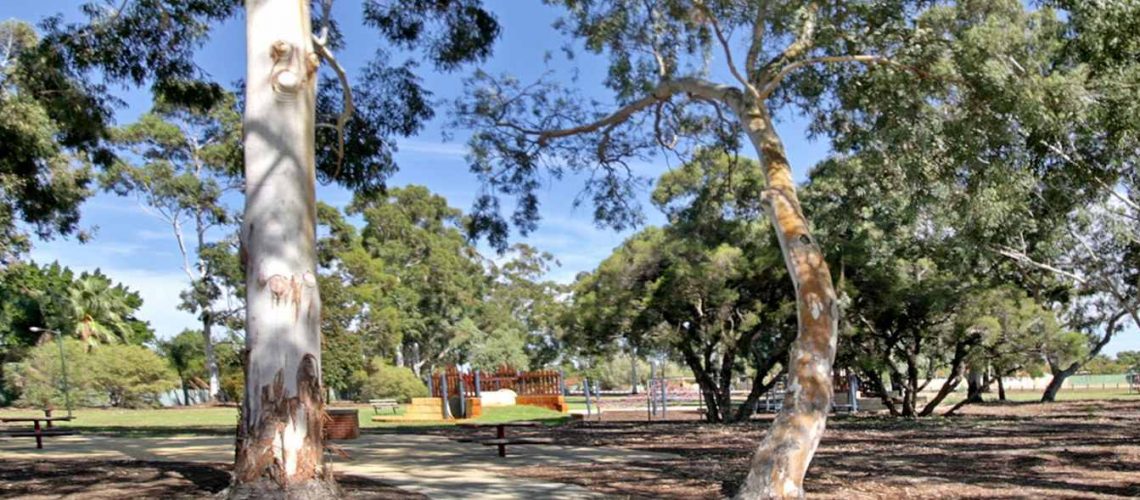
Kelmscott sits about 25 km south-east of Perth, where the suburban flat meets the Darling Scarp foothills. It is one of the older, established parts of the Armadale corridor, with a train station, several schools, large reserves and a genuine spread of housing, from redevelopment blocks to elevated family homes. That variety is exactly why pricing a Kelmscott home well takes local knowledge, not a generic online estimate.
Where Kelmscott sits
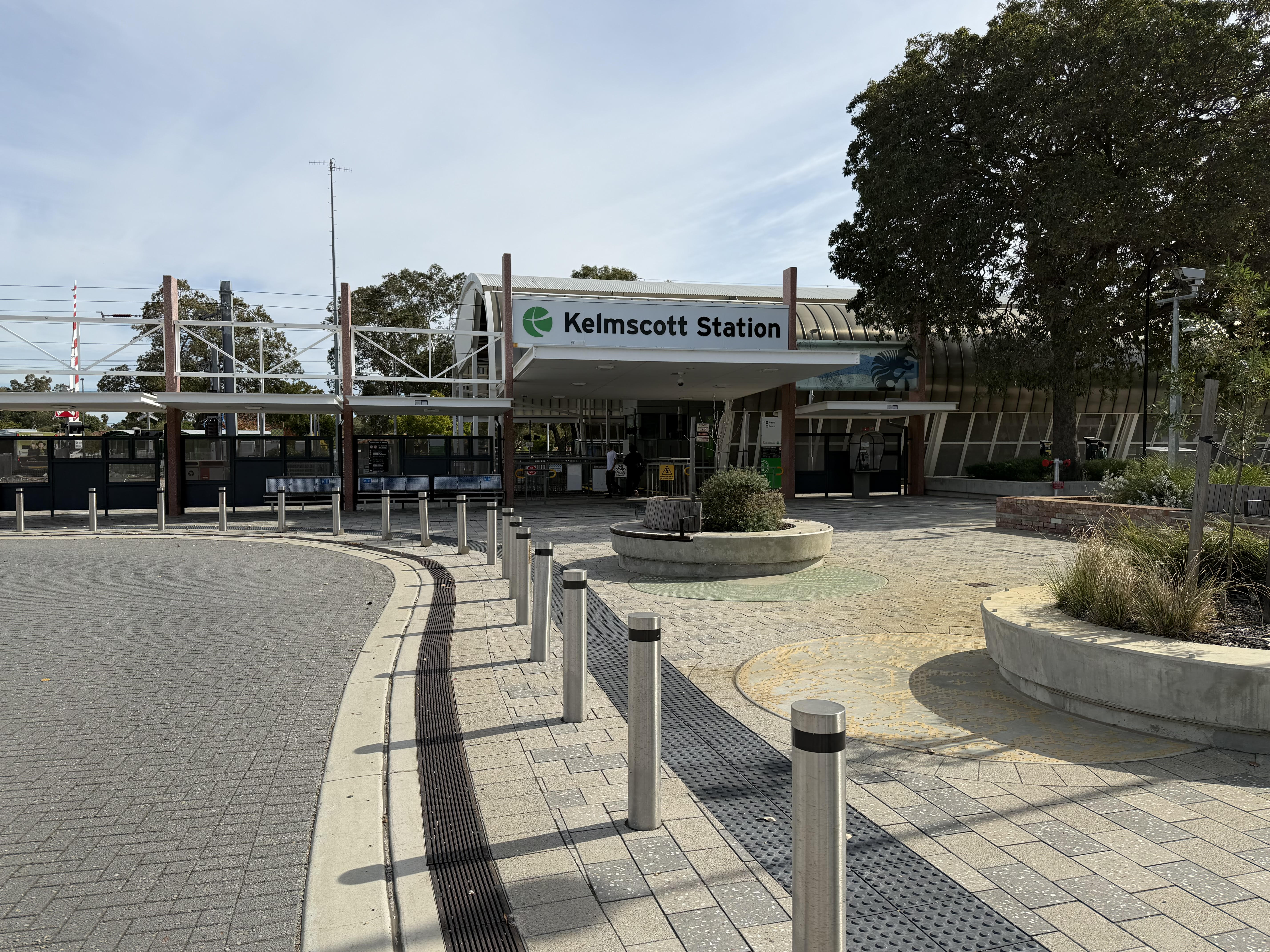
Framed by Albany Highway and Tonkin Highway and served by Kelmscott Train Station, the suburb offers straightforward commuting to Perth, quick access to Armadale, and an easy run up into the hills. For many buyers that combination, city access one way and the
foothills the other, is the whole appeal,
Understanding Kelmscott’s different pockets
Kelmscott is not one market. Broadly it splits into three. The Clifton Hills and hills-side pockets, where elevation and outlook lift value. Central Kelmscott, around the town centre and station, built for convenience and walkability. And the redevelopment and investment pockets, where larger established blocks and zoning variation create subdivision potential. Two homes a few streets apart can attract completely different buyers and completely different prices. If you only take one thing from this page, make it that.
Who buys in Kelmscott
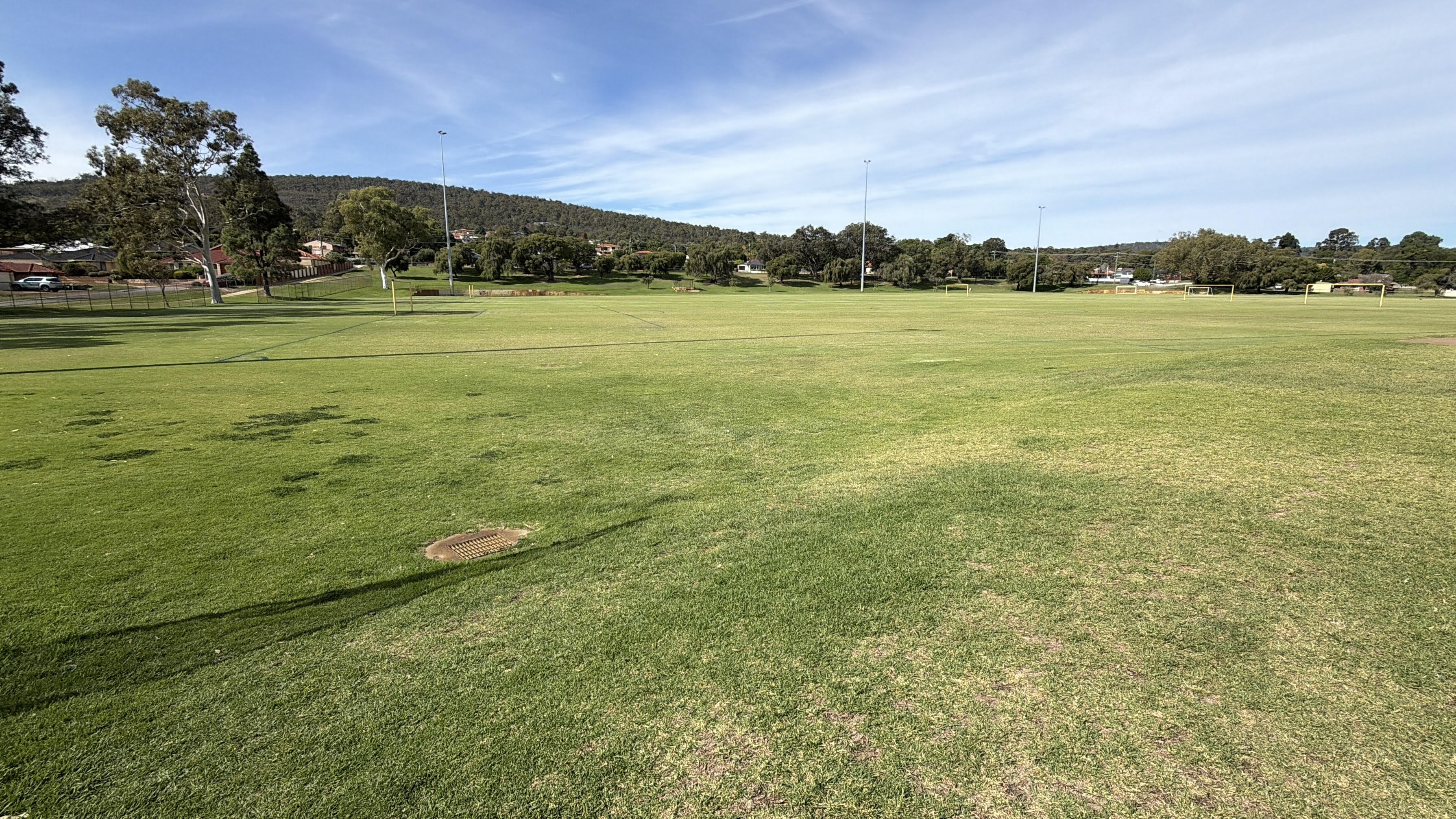
The buyer pool here is deliberately broad: first-home buyers, families, investors and developers, upsizers, and Perth Hills buyers who love the area but have been priced out of Bedfordale or Roleystone. Knowing which of these a specific home suits is what determines the marketing, the campaign and the result.
Schools and education
Local schools include Kelmscott Senior High School, Kelmscott Primary School and Clifton Hills Primary School. Steady school demand is part of why the established family pockets hold up.
Community and local identity
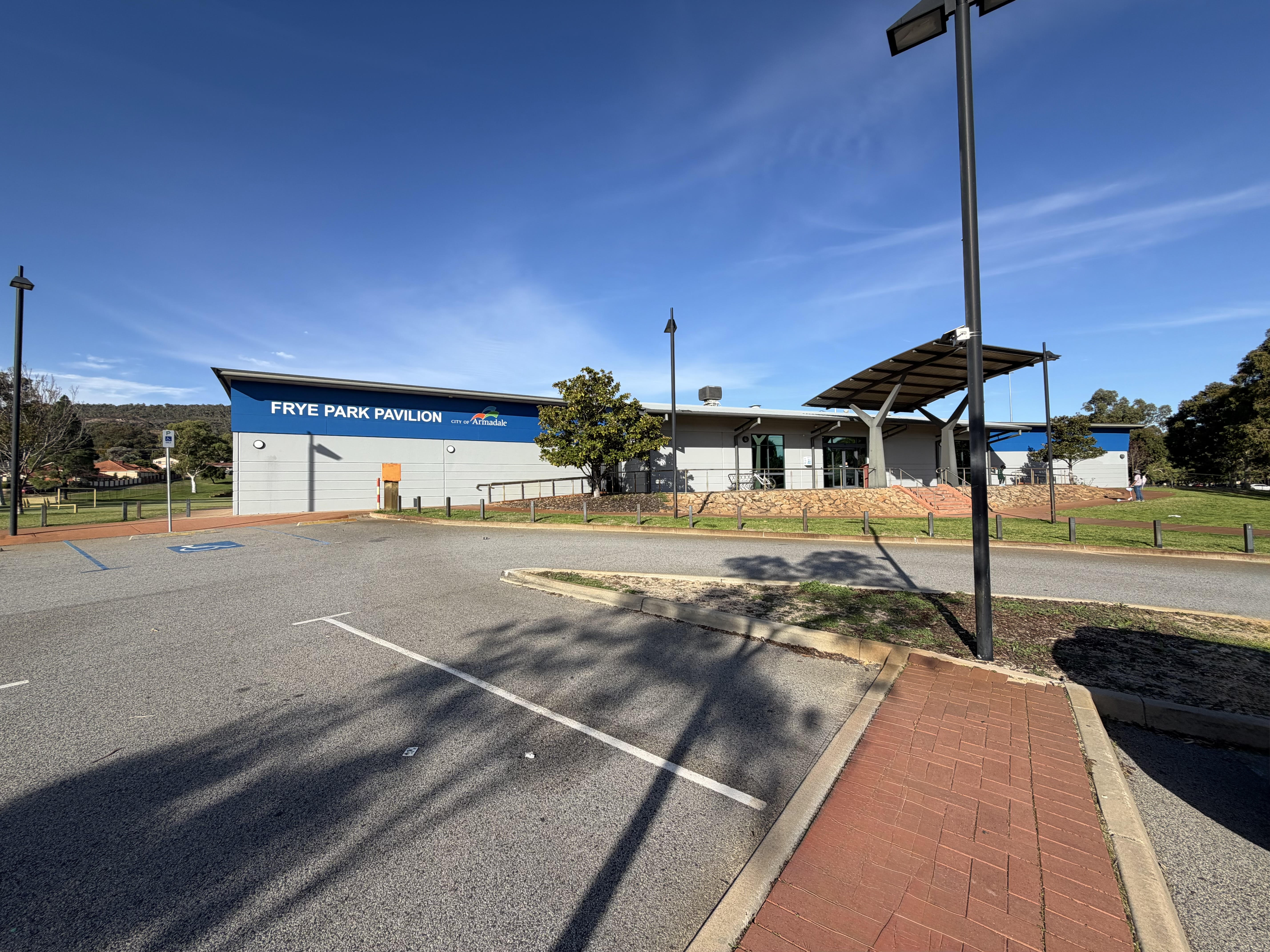
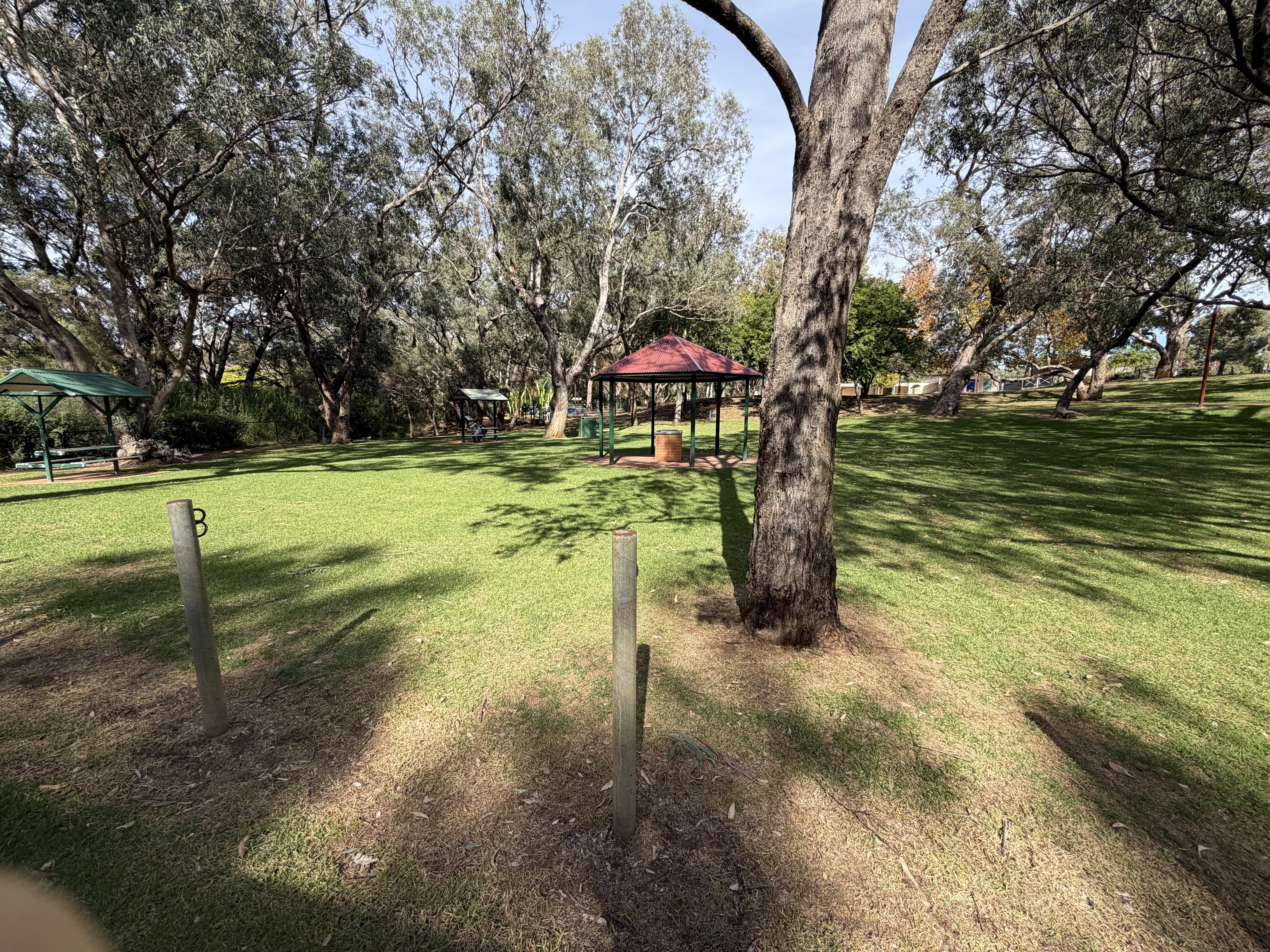
Kelmscott has long-standing roots and a real community identity, anchored by events like the Kelmscott Show and an active local sporting scene. For a lot of owners, that sense of belonging is a bigger reason they stay than any single feature of the house.
A bit of Kelmscott history, from our front door
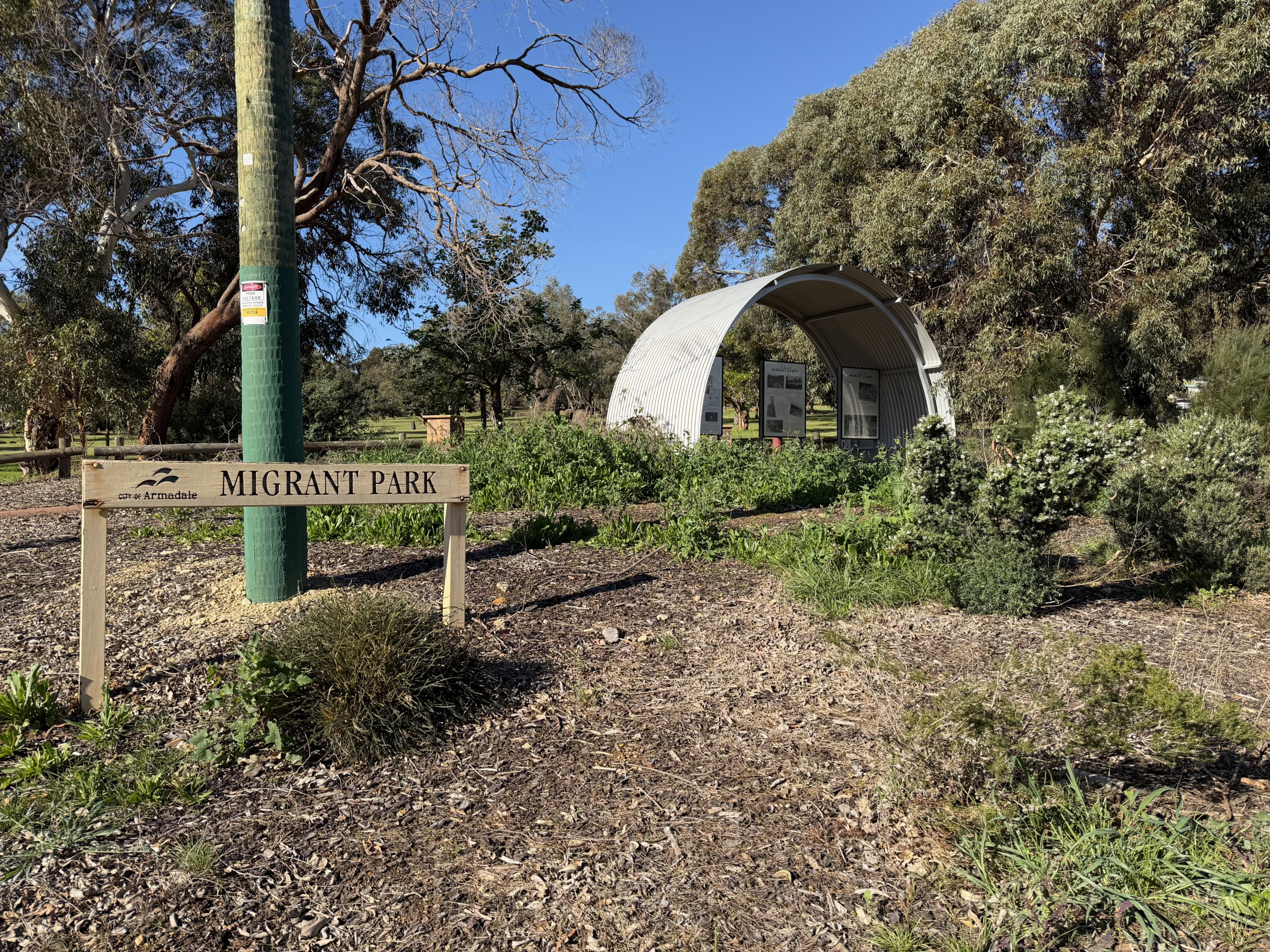
Stand outside our office on Brookton Highway, look across the road and up about 100 metres, and you are looking at Kelmscott Migrant Park. It is easy to walk past without knowing what it is. For a lot of local families, it is where their story in Australia began.
In the late 1940s the Metropolitan Water Supply set up two migrant camps in Kelmscott. Camp No. 1 stood on the reserve that is now the park, on the corner of Brookton Highway and Bernard Street, with 42 Nissen huts, the curved tin structures you can still see echoed in the park’s picnic shelters today. The second camp sat on what is now Roberts Road, in the grounds of Good Shepherd, with around thirty more.
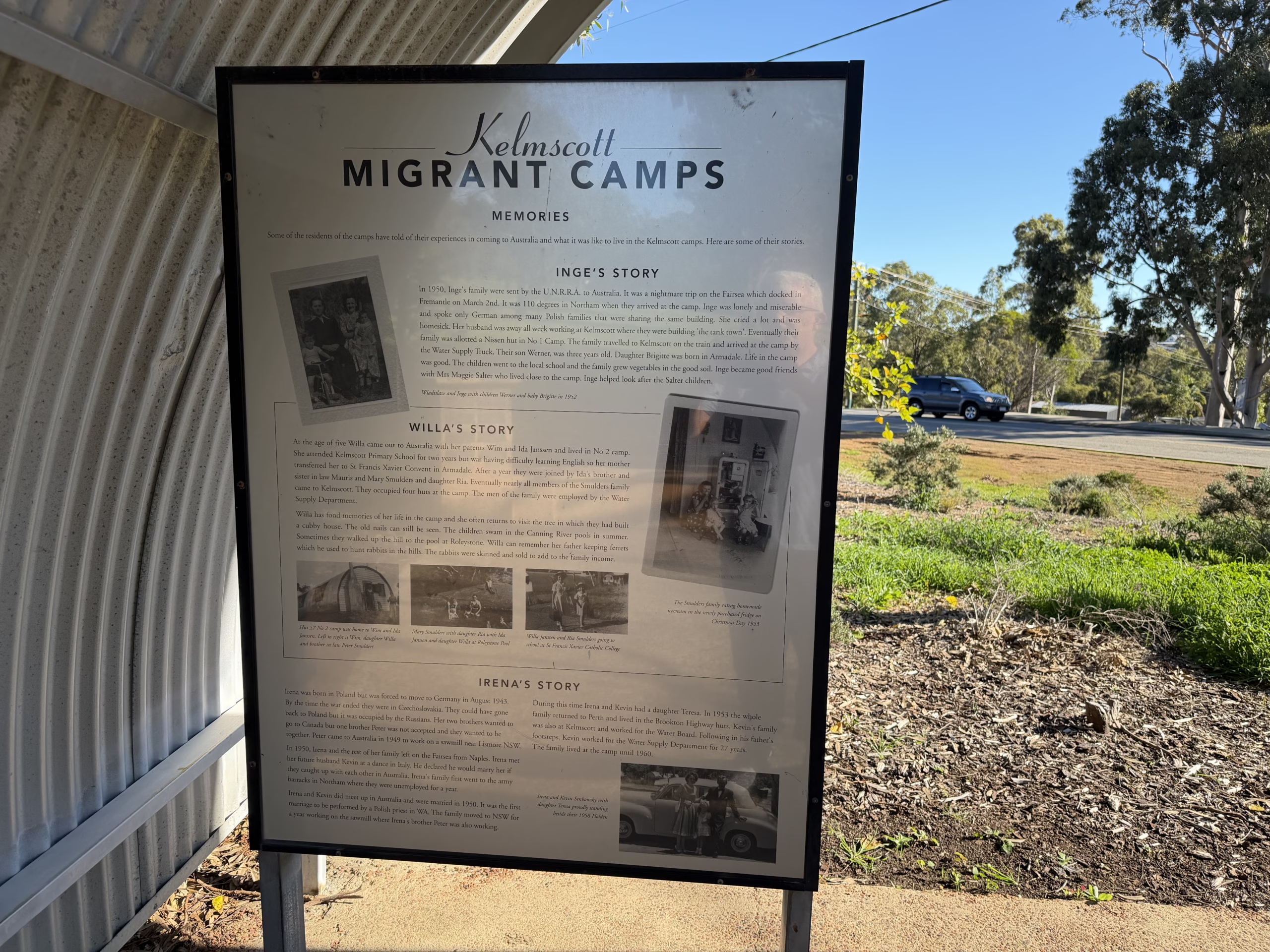
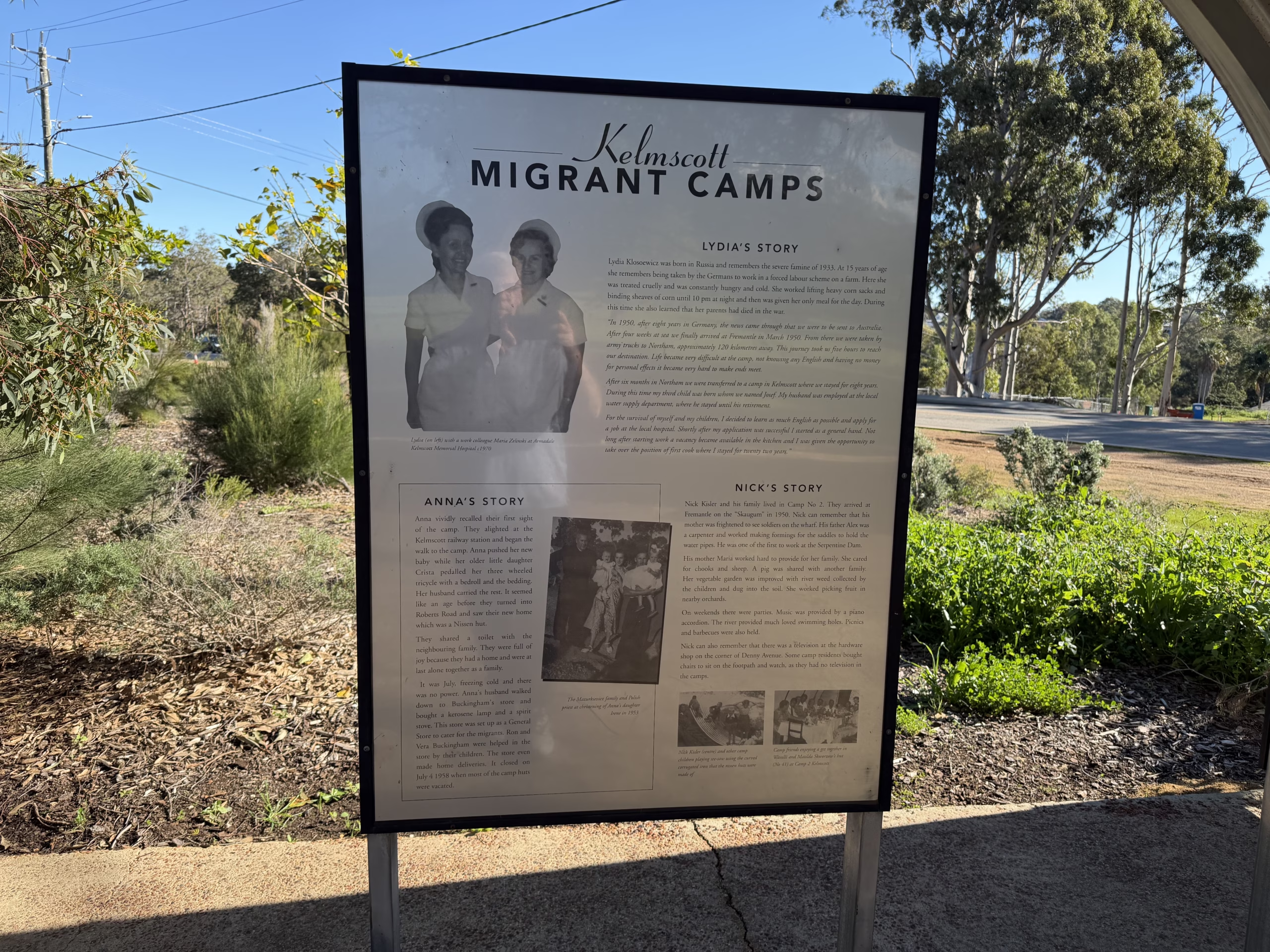
The families who lived there were displaced people from war-torn Europe, resettled after World War II under the United Nations refugee scheme. The men were contracted to work on the pipeline linking Canning Dam to Perth’s reservoirs, and later on the Serpentine Dam. The women cleaned houses and picked fruit in the local orchards. The children walked to Kelmscott School. Over time those families saved, bought blocks, and built homes of their own right here in the district.
That is not ancient history. Plenty of those descendants still live in Kelmscott today, and some of the family names you meet at a home open trace straight back to those camps. It is a big part of why Kelmscott holds onto people the way it does. Families put down roots here and stay for generations.
We think that matters when you are selling. Knowing a suburb is not just knowing its median price. It is knowing who lives here, why they came, and why they stay. We have been part of this community since 2002, and we do not take that lightly.
What locals like about Kelmscott
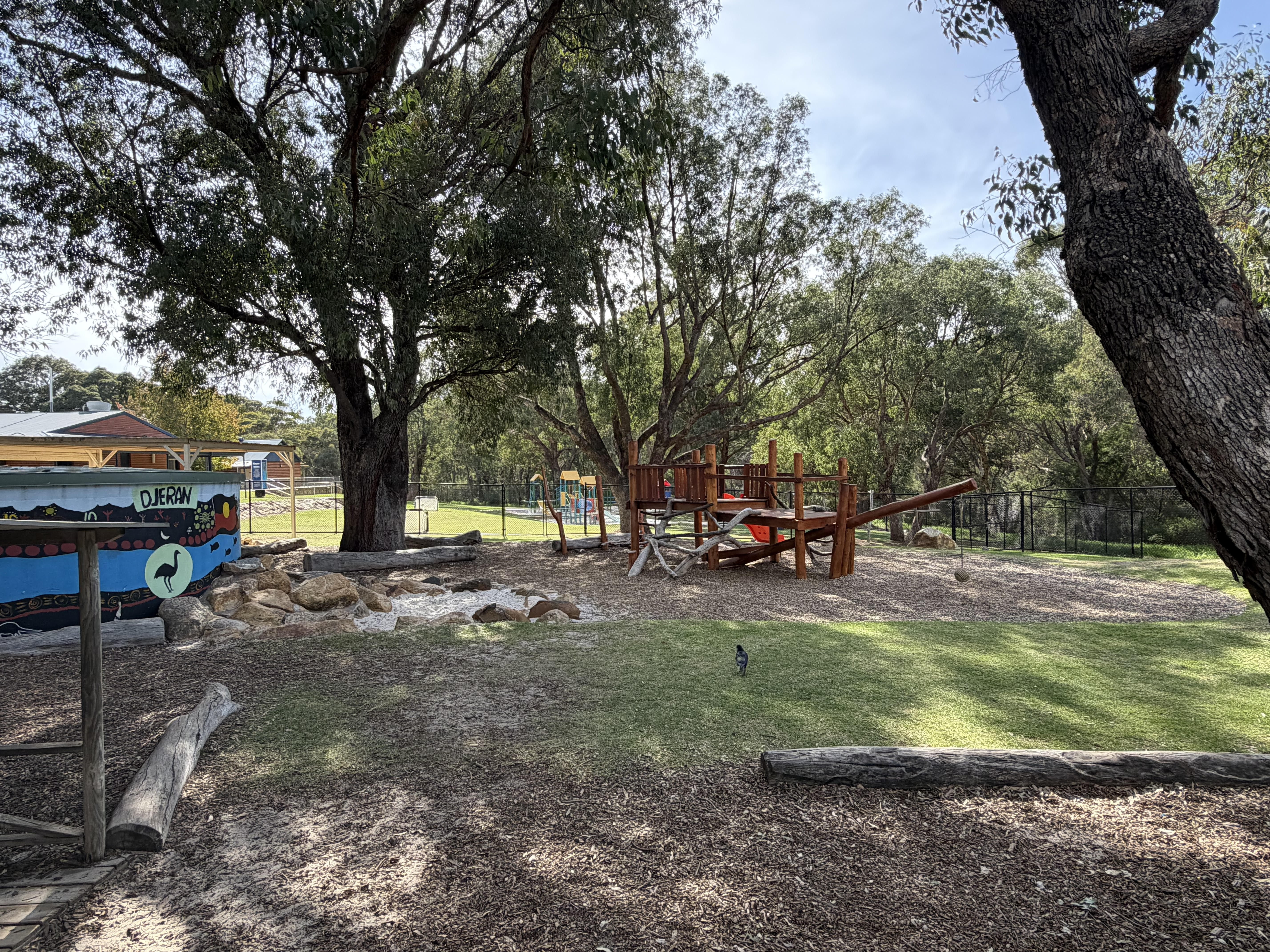
Established trees and a foothills backdrop, larger blocks than you will find closer to the city, good schools, transport and parks, and genuine affordability compared with the Hills suburbs above it.
What buyers should understand before buying
Because the suburb is so varied, do your homework on the specific block. Watch for zoning and redevelopment differences, flood-prone and bushfire-interface pockets, older housing stock that can carry asbestos or renovation considerations, and slope, drainage and traffic exposure on some roads. A local agent should be able to tell you which pocket you are standing in and what that means for value.
Kelmscott market snapshot
- Median house price: around $710,000 (REIWA, April 2026)
- Annual growth: +18.5% (REIWA)
- Median unit price: around $535,000
- Population: approx 10,462, median age 38
Figures move, so treat these as a guide and ask us for a current read on your specific street.
Selling in Kelmscott
Selling well here comes down to three things: identifying the right buyer segment,
presenting and pricing to that segment, and positioning the home correctly within its pocket, whether that is foothills lifestyle, redevelopment upside or everyday family convenience. Generic marketing leaves money on the table in a suburb this segmented.
Why work with Naked Real Estate
We are based in Kelmscott and have specialised in the Perth Hills since 2002. Founder Brendan Leahy brings more than 1,500 personal sales and a working knowledge of how each Kelmscott pocket actually trades. We sell through our Select Date Sale® process, built around strategy and honest advice rather than guesswork. The trademarked Select Date Sale® is designed to bring genuine buyers to the table at the same time, so competition sets the final price rather than a fixed asking figure
Selling or buying in Kelmscott? Talk to a local Perth Hills specialist who can tell you which pocket your home sits in and what it is really worth.